
Material & Journey
From material to object.
01 / THE MATERIAL
The Material
Starting with what already exists
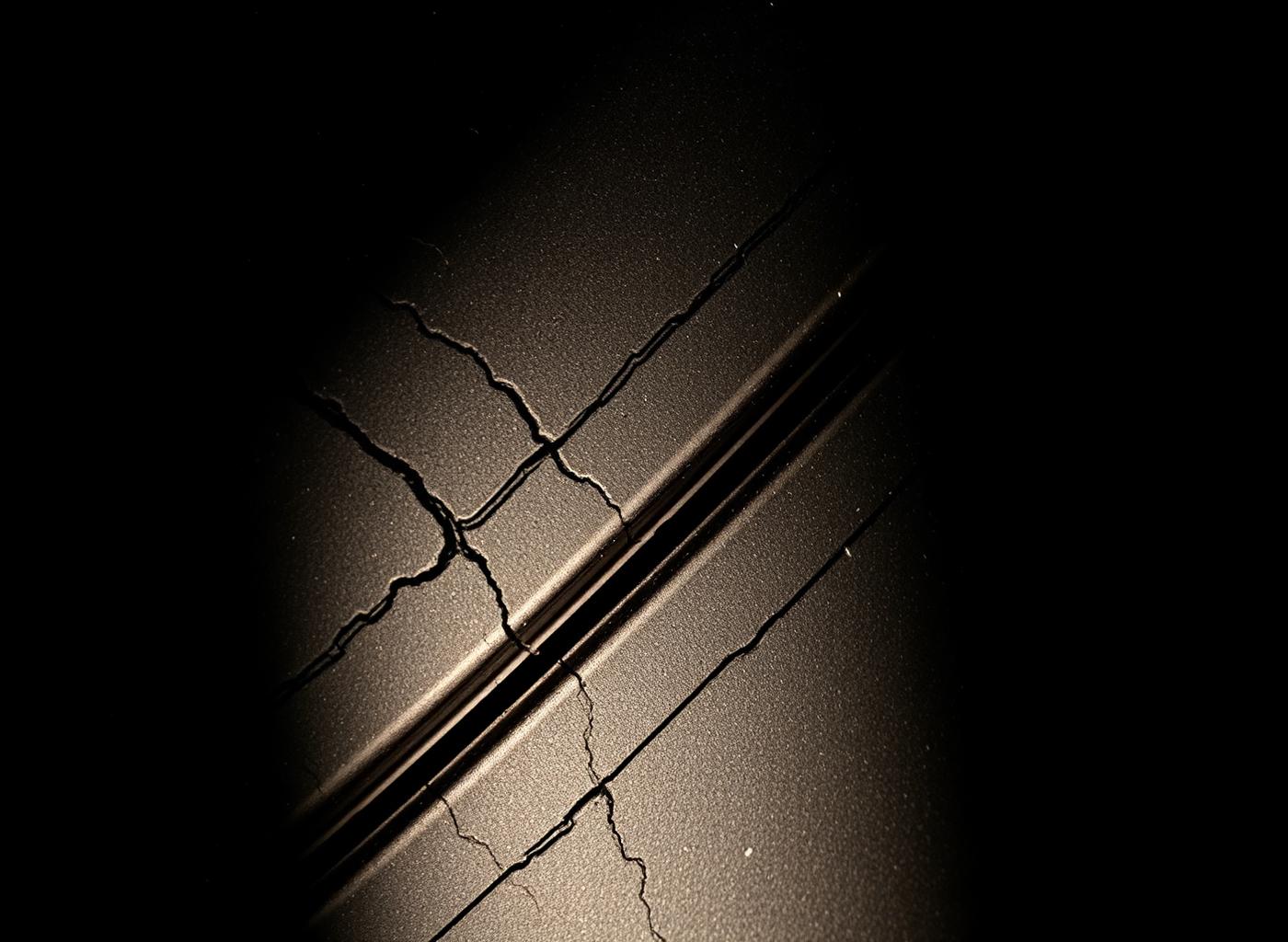
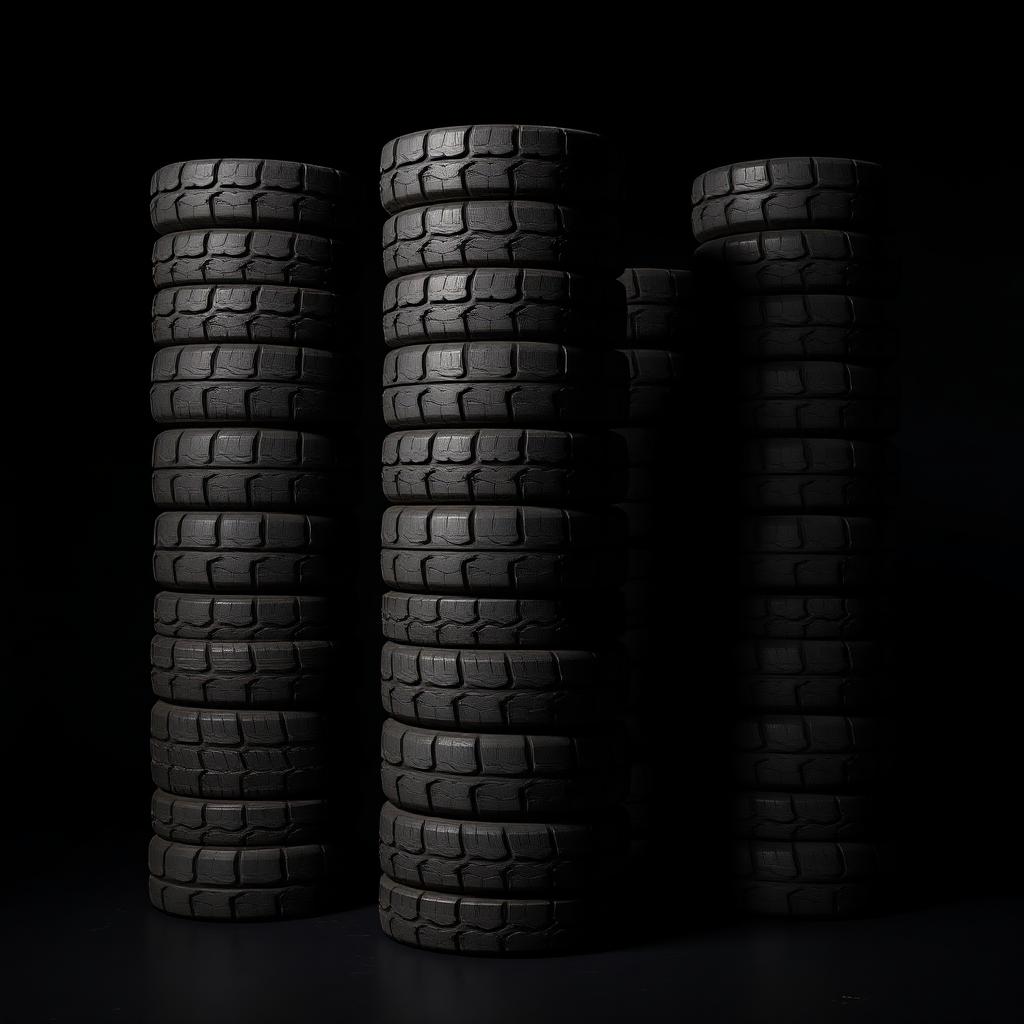
ReUp begins with reclaimed tyres, a material originally designed for durability, flexibility and resilience.
We source these tyres through vehicle scrapping facilities and industrial maintenance systems, where they have reached the end of their original use and would otherwise move out of circulation.
Once their first intended life is over, we look at them differently.
Their worn surfaces, subtle variations and traces of previous use are not something we try to erase completely.
They are part of the material's history – and part of what makes each ReUp piece distinct.
02 / RECOVERY
Recovery
Preparing the material for another life.
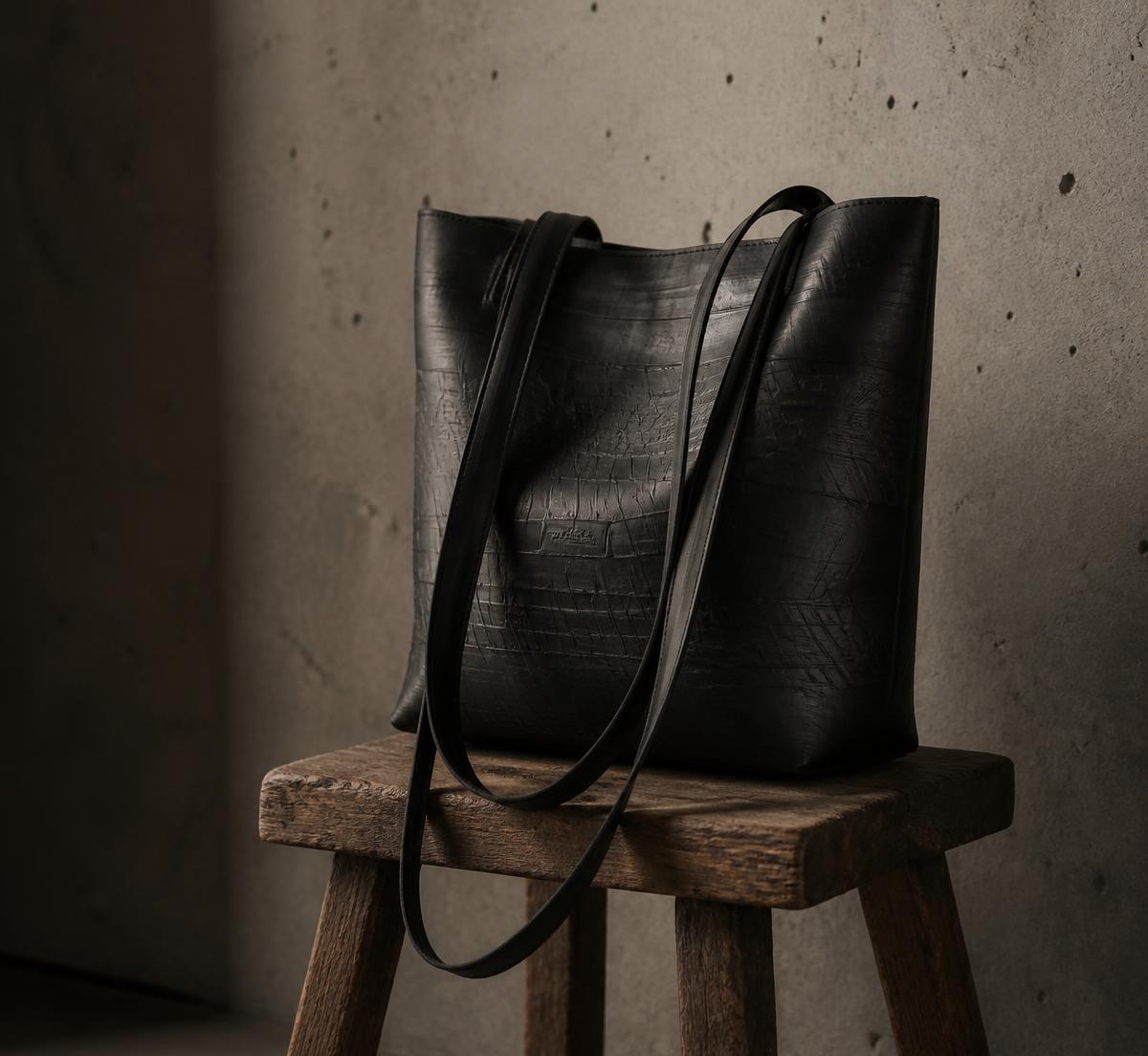
Before anything is made, every piece of material is individually assessed.
It is selected, cleaned and prepared before moving into the making process.
Because reclaimed material does not arrive perfectly uniform, working with it requires a different approach from working with newly manufactured sheets or fabrics.
The material itself influences what can be used, where it can be cut and how individual components are placed.
03 / CUTTING
Cutting
Working with what is there.
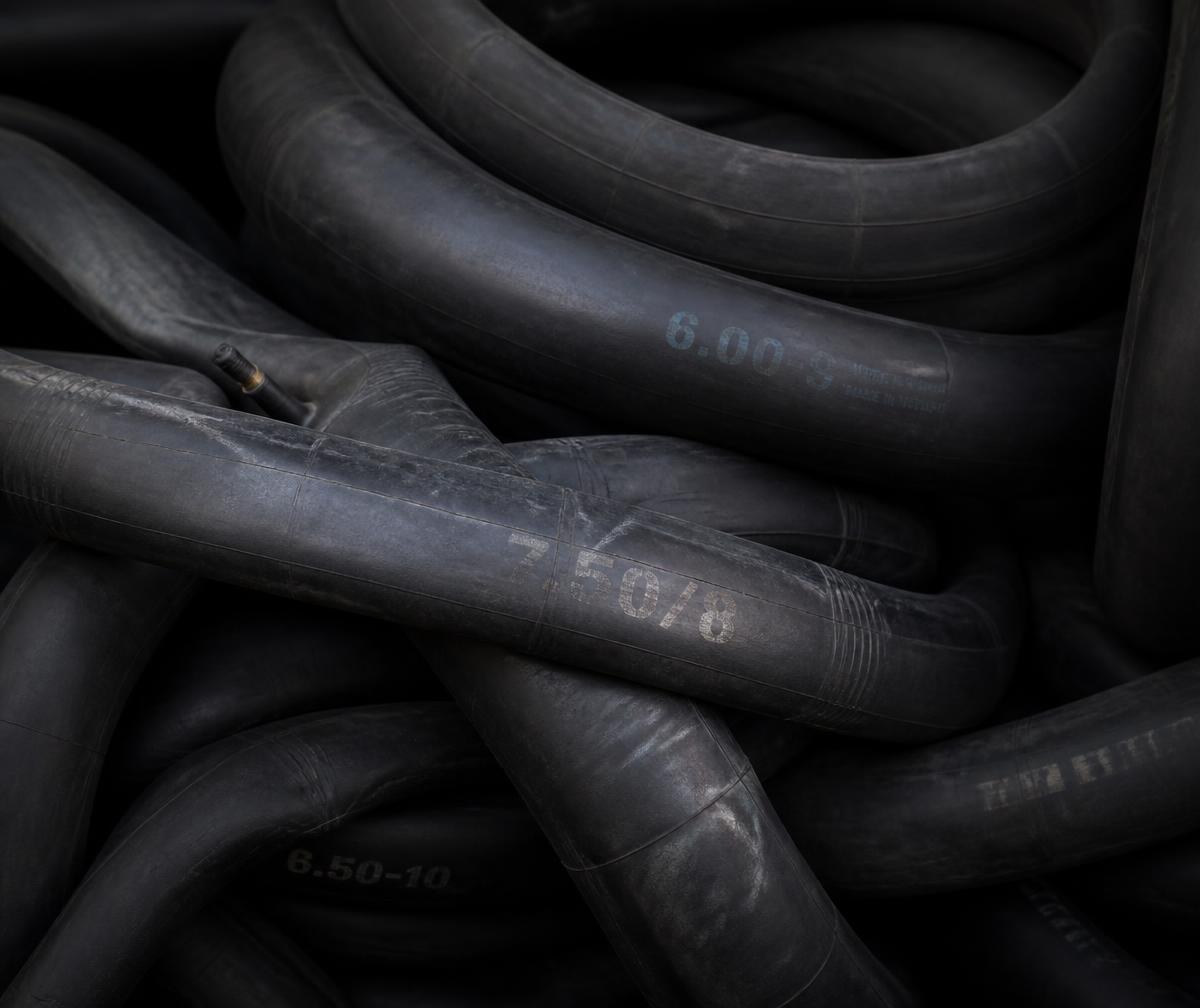
Patterns are positioned according to the usable areas of each recovered tube.
Marks, curves, thickness and existing characteristics vary from one piece to another, meaning the cutting process cannot be entirely standardised.
Instead of forcing uniformity onto the material, we work around what already exists.
04 / MAKING
Making
Built by artisans, piece by piece
Once prepared and cut, the individual components move through construction.
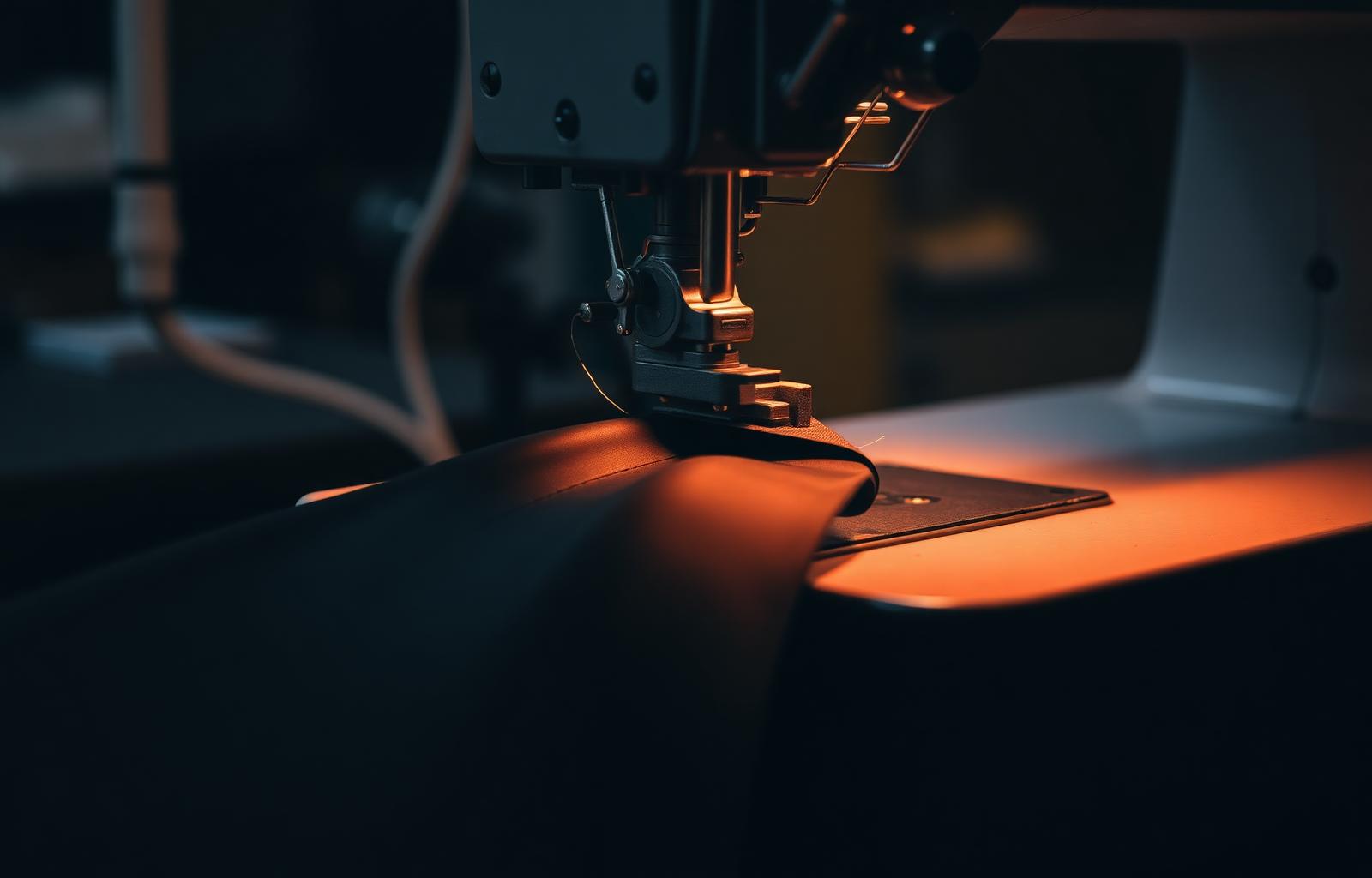
Edges are aligned, layers assembled, seams stitched and details added through a combination of handwork and specialised machinery.
The process is deliberate rather than highly automated, allowing the maker to respond to the characteristics of each individual piece of material.
05 / THE DETAILS
The Details
Precision where it matters.
Working with reclaimed material does not mean compromising on finish.
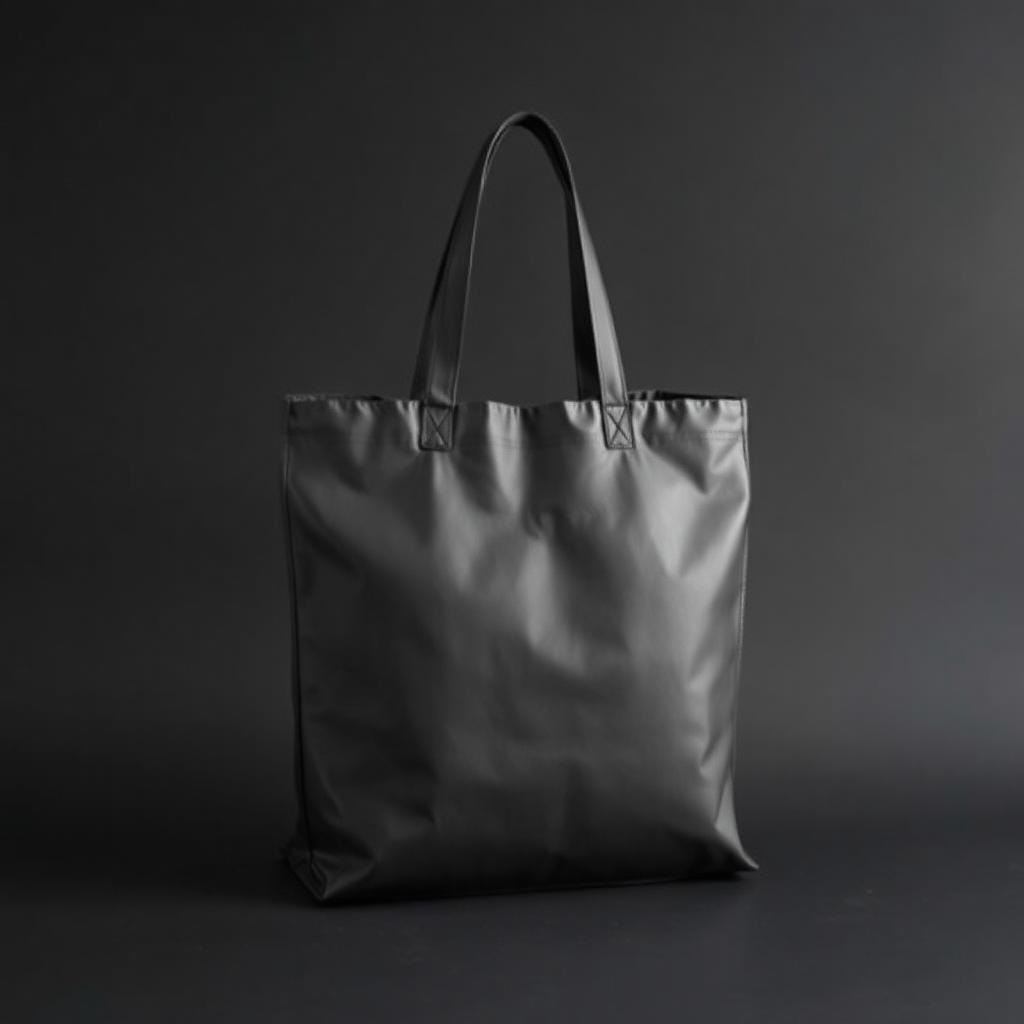
Construction, proportion, reinforcement and hardware are considered with the same attention as the material itself.
The aim is not to disguise where the material came from, but to give it a new context – one that feels considered, functional and lasting.
06 / NO TWO ARE EXACTLY ALIKE
No Two Are Exactly Alike
Variation is part of the material.
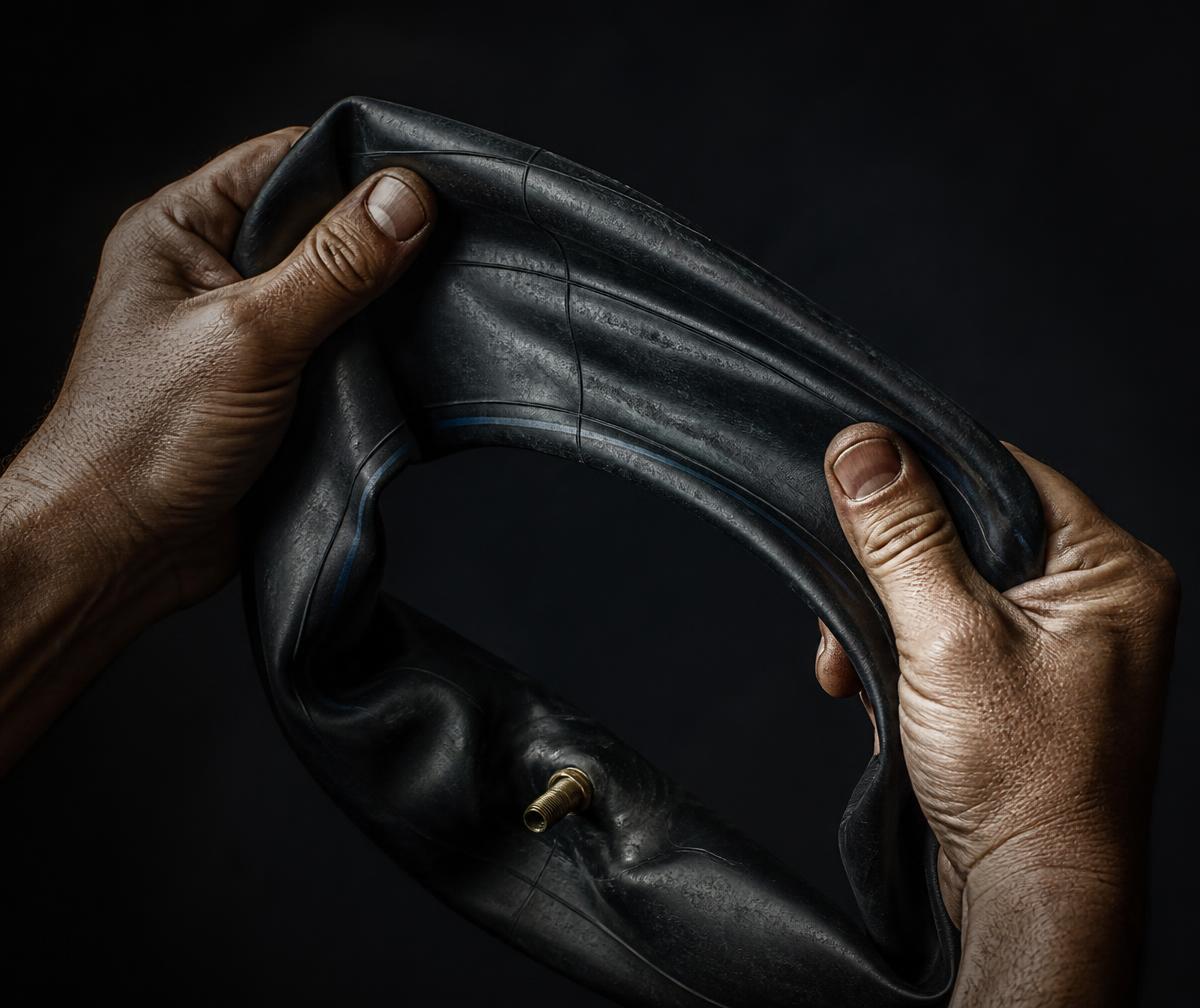
The original life of the material leaves subtle differences in texture, markings and surface character.
For that reason, two ReUp pieces may never be completely identical.
We consider these differences part of the object rather than imperfections to be removed.
07 / THE RESULT
The Result
A new object, without erasing what came before.
What begins as a material at the end of one use becomes something designed for another.
The transformation is not about making the past invisible.
It is about recognising the value that still remains – and applying enough thought, skill and craftsmanship to carry it forward.